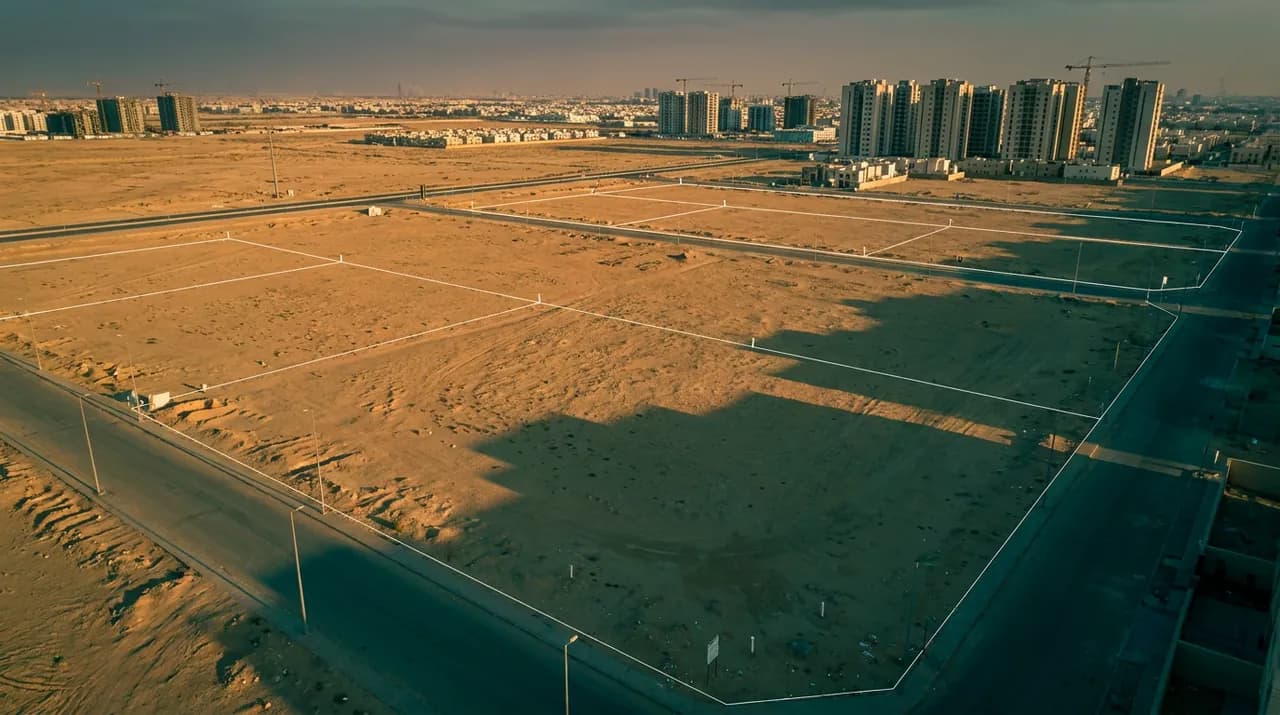
The same parcel of land can produce materially different returns depending on the use decision. A highest and best use study tests the development alternatives that are legally permissible, physically possible and financially feasible, and identifies the one that delivers the highest value.
The four tests
- Legal permissibility: regulations, municipal requirements and build ratios.
- Physical possibility: site characteristics, utilities and infrastructure.
- Financial feasibility: cost against expected return for each alternative.
- Maximum productivity: the alternative delivering the highest net present value.
Running the study after development has begun turns it from a decision tool into a justification for a decision already taken — and that is precisely where it loses its value.